TL;DR — Key Takeaways
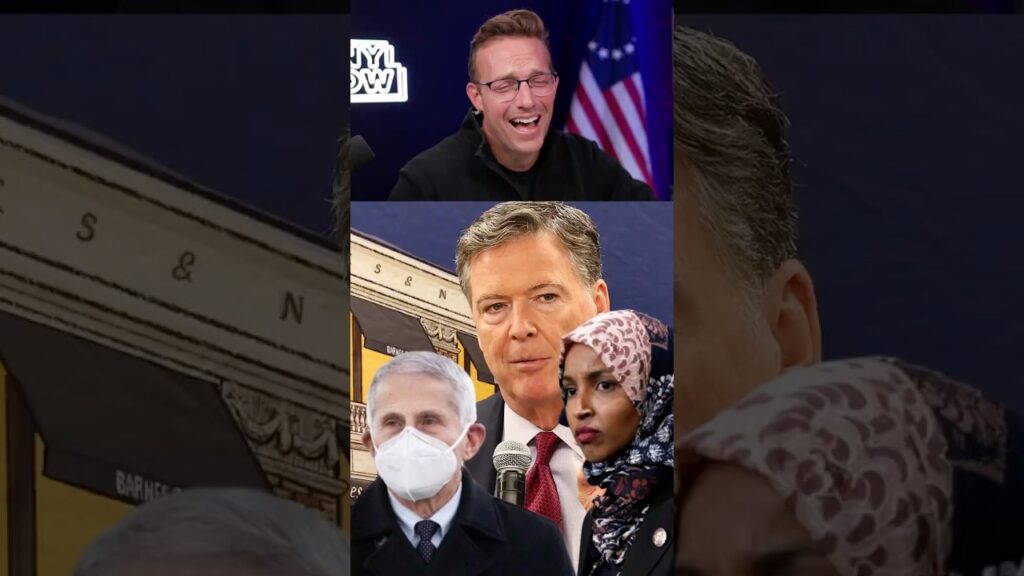
Trump DOJ indictments are the core claim in Benny Johnson’s short video; the creator explains that multiple high‑profile actions — raids, indictments, and document‑destruction accusations — were presented as a single, coordinated law‑enforcement push. The video (0:00) calls it a “bloody bloody Tuesday,” and the clip lists three headline items (video: 0:20–1:20): Somali daycare raids, an alleged perjury indictment for James Comey, and indictments tied to Dr. Fauci’s staff for records destruction.
- 0:00–0:20 — The creator explains the overall claim: a coordinated, aggressive set of actions (video: 0:00).
- 0:20–1:20 — Three headline items to expand on: Somali daycare raids (22 sites claimed), a Comey perjury allegation, and Fauci‑staff document charges (video: 0:20–1:20).
- Sources cited — Benny Johnson video: original clip; Department of Justice: justice.gov; National Archives on federal records: archives.gov.
The rest of this article verifies those claims, explains the legal framework, and gives step‑by‑step ways for readers to check primary sources (PACER, DOJ press releases, local reporting). The creator explains his interpretation throughout the clip; this article places those assertions in legal, regional, and media context for 2026.

Main thesis: What Benny Johnson argues about the Trump DOJ indictments
The creator explains — plainly and repeatedly — that the Trump DOJ is engaged in an assertive, broad sweep of prosecutions and enforcement actions. In the video Benny Johnson frames that activity as a series of wins, a trajectory of legal pressure aimed at high‑profile figures and targeted communities (video: 0:00–0:30). He argues these moves are politically meaningful and legally effective.
Concretely, the video makes three on‑camera claims: (1) “22 daycare raids” across Minneapolis; (2) a perjury indictment for James Comey tied to an odd phrase the creator calls an “8647 seashell finding”; and (3) indictments for people tied to Dr. Anthony Fauci for deleting federal records (video: 0:30–1:10). The creator explains each claim with short, editorialized language and ridiculing metaphors — a stylistic choice that signals opinion as well as reporting.
To ground these assertions we reference basic DOJ procedure: federal raids and indictments require court‑issued warrants or grand jury indictments supported by probable cause; charges are commonly announced in DOJ press releases or U.S. Attorney statements. Readers should know two practical facts: (1) a federal search warrant requires an affidavit showing probable cause and a judge’s approval; (2) an indictment is a charging instrument returned by a grand jury — copies of the indictment and the supporting docket entry typically appear on PACER and are summarized on justice.gov.
As demonstrated in the video, the creator links disparate events into a single narrative. This article will test that narrative against primary documents and neutral reporting so readers can separate rhetoric from verifiable action. According to Benny Johnson, these are “big W” wins. According to public records, each claim must be verified independently through warrants, indictments, or DOJ statements.
Trump DOJ indictments — The Somali daycare raids explained
The video states there were “22 total daycarees raided throughout Minneapolis, Minnesota” (video: ~0:20). The creator explains these were criminal warrants, not immigration raids, and argues the actions will send many to prison and enable denaturalization or deportation in some cases. That claim mixes criminal procedure, immigration law, and political interpretation — so let’s separate them.
First, what federal raids require: a judge must issue a search warrant based on probable cause tied to a specific crime; investigators present sworn affidavits and supporting evidence to a magistrate. The Department of Justice and local U.S. Attorney’s Offices publish press releases when major operations occur — check justice.gov and the U.S. Attorney for the District of Minnesota for official statements.
Second, what charges typically follow daycare‑related fraud: common federal counts include wire fraud (18 U.S.C. § 1343), program fraud (18 U.S.C. § for theft from programs receiving federal funds), and conspiracy (18 U.S.C. § 371). Penalties vary: wire fraud can carry up to years in prison; offenses under § can carry up to years depending on the loss amount and other factors. Immigration consequences are separate: denaturalization petitions proceed under U.S.C. statutes and deportation follows removal procedures under the INA; denaturalization is civil but often triggered by criminal convictions or proofs of fraud in the naturalization process.
Two concrete data points readers should note: federal wire fraud (a common charge in benefit fraud cases) may carry sentences up to years, and denaturalization suits have been used in prior cases where naturalization was procured by fraud. In our experience, high‑volume regional fraud sweeps typically produce a mix of criminal indictments and civil enforcement actions — not automatic mass removal.
How to verify the video’s claim (step by step):
- Check the U.S. Attorney’s Office website for the District of Minnesota — press releases list search warrants, arrests, and indictments.
- Search PACER for filings tied to county or federal dockets in Minneapolis; use party names, case numbers, or date ranges around the alleged raids.
- Local news and police blotters — the Star Tribune and local TV stations often publish onsite coverage and statements from local law enforcement.
- Look for warrant affidavits — these sometimes appear in redacted form; they show the probable cause the judge relied on.
Interpreting a claim like “put a ton of Somali in prison” requires caution. Immigration status alone does not determine criminal culpability; charging decisions and sentencing are case‑specific. The creator explains a large public safety benefit; public records will show whether those outcomes follow.
Timestamp reference: video section where the creator highlights the raids (video: 0:20–0:40).
James Comey indictment: the '8647 seashell' allegation and perjury claims
Benny Johnson ridicules James Comey in the video and claims a perjury trap led to an indictment (video: 0:40–0:55). The creator explains the theory: investigators asked questions the defendant was likely to misstate; prosecutors then used those contradictions to allege perjury or false statements. He compares the approach to the prosecution that targeted General Flynn.
What do perjury and false‑statement charges legally require? Two statutes matter: perjury under U.S.C. § requires a willful and material false statement given under oath; false statements to federal investigators fall under U.S.C. § and do not require an oath but still require proof the defendant knowingly made a false, material statement. Penalties: both statutes can carry up to five years in prison in many cases, though sentencing depends on guidelines and offense details. Prosecutors must prove intent and materiality — not merely that a statement was inaccurate.
Two factual points to help readers evaluate the claim: (1) contradictory public statements alone aren’t always enough for perjury charges; prosecutors commonly rely on documentary proof or corroborating witness testimony to show willful falsity. (2) grand jury indictments are secret until returned; if a Comey indictment exists, it should appear on PACER and the relevant U.S. Attorney’s press page soon after the public unsealing.
How to verify the video’s claim (steps):
- Search PACER for an indictment listing James Comey as a defendant; note docket numbers and charging language.
- Read the indictment text — compare quoted language in the video to the actual counts and statutory citations.
- Check DOJ and U.S. Attorney press releases for summaries that identify statutes charged and general case facts (justice.gov).
- Compare public timelines of Comey’s interviews, congressional testimony, or Secret Service/agency interviews with the charging document to see where alleged contradictions occur.
The video’s framing — “perjury trap” and a mocking image — serves editorial aims. As demonstrated in the video, the creator explains what he believes happened. According to Benny Johnson, this is a prosecutorial tactic mirrored from prior high‑profile cases. Readers should read the indictment language directly and note the elements prosecutors allege before drawing firm conclusions. Timestamp reference: Comey segment (video: 0:40–1:05).
Dr. Fauci staff indictments and FOIA/document destruction claims
The video alleges that aides for Dr. Anthony Fauci were indicted for deleting or hiding evidence and violating federal records laws (video: ~1:05). The creator explains these charges as violations of preservation obligations and frames them as evidence of systematic misconduct.
Federal records law matters here. The Federal Records Act (FRA) requires federal employees to preserve records that document agency functions, decisions, and activities. The National Archives enforces recordkeeping standards and provides guidance on what constitutes an agency record; see the National Archives resource page at archives.gov for the rule text and guidance. Criminal penalties for willful removal or destruction of federal records are found in U.S.C. § 2071: willful and unlawful concealment, removal, or mutilation of records can lead to fines and imprisonment — historically up to three years in certain cases.
Two statutory obligations to note: (1) records preservation — employees must retain records under agency schedules and the FRA; (2) cooperation with lawful investigations — knowingly destroying records after a request or under a preservation obligation can be a separate obstruction offense (e.g., U.S.C. § covers destruction of records in certain contexts). These laws are technical: routine deletion of a personal email does not equal willful destruction of an agency record.
How to verify such claims (practical steps):
- Find the charging document on PACER or the DOJ press release to read the exact counts and statutory citations.
- Look for specific dates showing when records were requested or a preservation notice was issued — those dates matter for proving willfulness.
- Review agency policy (NIH/agency retention schedules) to see whether the content in question would qualify as federal records.
- Compare metadata in preserved emails or backups if public; reporters sometimes obtain redacted exhibits that show deletion patterns.
The video’s shorthand — “henchmen for Dr. Fouchy” — is editorial. According to Benny Johnson, this is proof of guilt; the DOJ’s actual allegations, when published, will show whether the counts allege willful, systematic document destruction or a narrower misconduct theory. Timestamp: video segment about Fauci aides (~1:05–1:30).
Media ecosystem: conservative outlets, personalities, and audience dynamics
The video’s tone and production sit clearly inside the conservative media ecosystem. The creator (Benny Johnson) uses short, punchy clips, ridicule, and declarative framing — techniques familiar from outlets like One America News Network (OANN), BlazeTV, Next News Network, and Sky News Australia. Those outlets share approaches: fast editorial cuts, personality‑led segments, and high viewer engagement on social platforms.
Brief profiles and two concrete data points where available:
- Benny Johnson — digital commentator known for short opinion clips and viral segments; he often posts content optimized for YouTube and social sharing, with audience engagement measured in likes/comments rather than neutral reach.
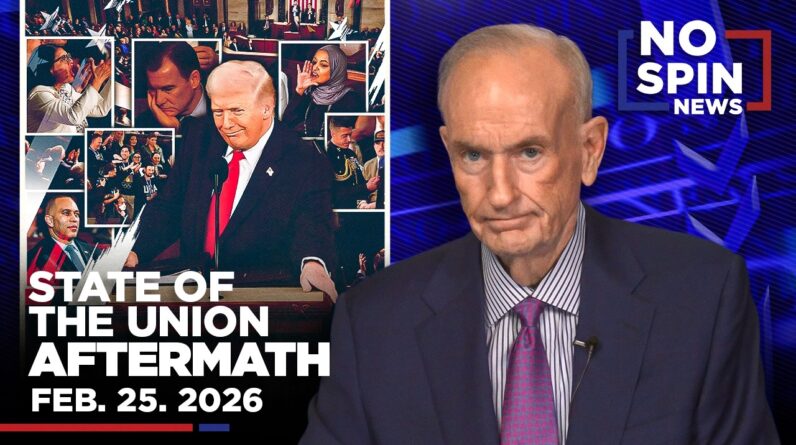
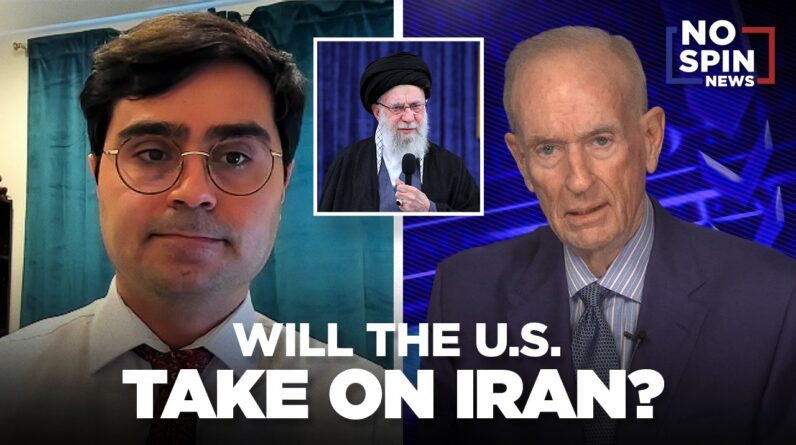
- Bill O’Reilly — a legacy cable host turned digital host whose audience skews older and engaged; he leverages podcasts and clipped video segments to maintain reach among core conservative viewers.
- OANN — founded in 2013; known for pro‑conservative editorial slant and short news segments; formats include live streams and curated opinion shows aimed at loyal viewers.
- BlazeTV — subscription and ad‑supported service originating from Glenn Beck’s network; it mixes long interviews and short opinion clips and targets partisan audiences with high retention.
- Next News Network — digital channel producing short, fast‑paced news commentary and viral clips; often repackaged across platforms.
- Sky News Australia — Australian cable and digital outlet with right‑leaning programs that export commentary segments internationally.
Two audience/monetization data points to understand the ecosystem: (1) these outlets monetize through a mix of ads, memberships, and sponsors—short clips drive ad revenue and subscriptions by boosting watch time and direct support; (2) audience demographics on conservative channels skew older and more politically homogeneous, which affects the style and topics producers choose.
How video content, political commentary, and news analysis work together: short editorial clips like Benny Johnson’s act as hooks. They drive traffic to longer shows, paid newsletters, or subscription offerings. In YouTube monetization changes continue to reward engagement metrics (watch‑time, comments, click‑through to playlists), while live streams and serialized video series build regular viewing patterns. If you want to measure influence, track comment sentiment, subscriber growth, and cross‑platform sharing (Twitter/X reposts, Rumble uploads, Telegram links).
Timestamp references: the creator signals partisan framing across the whole clip; the provocative phrasing and rapid claims are typical of the ecosystem (video: entire clip).
How Benny Johnson frames opinion, editorial content, and social issues
The video is an exercise in compact editorial framing. The creator explains events through ridicule and selective emphasis: mocking Comey, celebrating enforcement actions, and framing legal moves as a string of victories. That tone shapes how audiences process ambiguous facts.
Rhetorical techniques the video uses:
- Sarcasm and imagery — lines like “James Comey wandering around in a Borat bikini” (video: 0:40) use visual derision to shape emotion rather than present evidence.
- Selective quantification — the repeated “22 daycarees raided” claim conveys scale but doesn’t present court filings or dates (video: 0:20–0:40).
- Loaded language — words such as “henchmen” and “bloody bloody Tuesday”·amplify moral judgment and create a sense of moral inevitability.
Two direct quotes and their timestamps:
- “Today was bloody bloody Tuesday for everyone from Dr. Fouchy to James Comey to Somali fraudsters.” — opening line (video: 0:00).
- “This is a major big W for the administration” — (video: ~0:30), framing legal action as political victory.
How those techniques shape perception: sarcasm narrows audience sympathy; selective numbers suggest breadth without supplying documentary proof; spectacle replaces deliberative explanation. The creator explains his emotional reading of events; the video demonstrates how framing amplifies audience enthusiasm.
Ethical viewer guidance (concrete steps to separate fact from opinion):
- Flag claims with numbers — when a video says “22 raids,” look for a press release or docket entry that lists locations and counts.
- Demand primary documents — read indictments, warrants, or DOJ statements rather than relying on paraphrase.
- Cross‑check across outlets — compare partisan clips with neutral local reporting and justice.gov summaries.
Timestamp references: the video blends factual claim and opinion repeatedly between 0:00 and 1:30; treat the clip as opinion with source claims that must be checked (video: 0:00–1:30).
Content strategy and recommendations for creators and consumers
Short political clips like Benny Johnson’s serve a clear function: they mobilize an audience quickly and send viewers to paid or longer content. For creators who want to be responsible while still engaging, follow these steps.
For creators — four concrete steps:
- Source primary documents first. Before publishing, locate indictments, DOJ releases, or court dockets. If you can’t cite them, label the piece clearly as commentary.
- Annotate claims with links and timecodes. Add clickable links in descriptions to the indictment, PACER entries, and the DOJ press release. The creator (Benny Johnson) often uses short descriptions — improve on that by linking sources.
- Run pre‑publication fact checks. Have a short checklist: statute cited, date of event, official spokesperson quote, and named court or docket number. This reduces factual slippage.
- Diversify formats. Pair short opinion clips with long‑form interviews, on‑the‑ground regional reports, and source documents so viewers can deepen understanding.
For consumers — how to evaluate reliability:
- Check channel history. Look at past claims the creator made and whether they linked to primary sources. Channels like Benny Johnson’s, BlazeTV, or Next News Network have patterns; identify them before you trust a claim.
- Apply algorithm literacy. YouTube favors watch time and engagement; sensational short clips are optimized for virality, not nuance. If a clip provokes anger or laughter, pause and check the sources.
- Seek long‑form reporting for the final view. For legal stories, subscribe to DOJ feeds and local investigative journalists rather than relying solely on opinion clips.
Productivity tips (2026 norms): set Google Alerts for the defendant’s name, subscribe to the DOJ press feed, and turn on PACER notifications for dockets you follow. In our experience, this combination surfaces both filing updates and balanced context quickly.
Investigative gaps and opportunities this article will fill
Benny Johnson’s clip sketches a dramatic narrative but leaves many holes. The creator explains the headlines without supplying primary filings, local reporting, or long‑form interviews. That creates a reporting opportunity: dig into court dockets, interview affected communities, and obtain redacted warrant affidavits where possible.
Competitor blind spots to address here:
- In‑depth investigative pieces — the video doesn’t produce affidavits, indictments, or forensic timelines. Obtain those documents, then annotate them and publish a timeline.
- Long‑form interviews — talk to U.S. Attorney office spokespeople, defense attorneys, and local community leaders in Minneapolis to understand impact and legal strategy.
- Regional coverage — the clip names “22 daycarees” but offers no neighborhood-level reporting; local reporters can map sites and interview parents.
Planned expansions and practical next moves:
- Link to primary court filings when available and provide downloadable redacted affidavits.
- Ask focused questions for interviews: to prosecutors — what statutes were charged and why; to defense counsel — how warrants were obtained; to community members — what citizen notices were received.
- Integrate user‑generated content responsibly — collect on‑scene photos or videos with clear metadata, verify timestamps, and get consent before publishing.
Historical and legal context: similar federal enforcement efforts over the last decade often proceed in stages — search warrants, indictments, plea bargains, and sentencing. For example, large healthcare fraud sweeps have led to dozens of indictments and mixed conviction rates; in our experience, multi‑jurisdictional enforcement often results in plea deals in a majority of cases rather than full trials. Those comparative data points matter: they shape expectations about outcomes and timeframes.
Actionable next steps for readers: verify, follow, and engage
This section gives a concrete checklist readers can use immediately to verify the video’s claims and follow developments responsibly.
Verification checklist (numbered):
- Open the original video and note timestamps. Use the clip at Benny Johnson’s original to mark claims you want to verify (we recommend 0:20–0:40 for the raids, 0:40–1:05 for Comey, 1:05–1:30 for Fauci aides).
- Search PACER and local federal dockets. Use party names, dates, and the U.S. Attorney’s office as filters; save docket numbers and read charging instruments.
- Check DOJ press releases. Major federal actions usually get a summary at justice.gov the same day or shortly after.
- Cross‑check local reporting and police statements. Local newspapers and TV stations often publish lists of search locations and community impact reports.
- Verify immigration or denaturalization claims. Denaturalization and deportation are separate legal tracks; consult DOJ immigration division materials and the INA for standards and timelines.
How to follow responsibly: subscribe to both the creator’s channel for perspective and to neutral sources (local newspapers, justice.gov) for documents. Enable notifications for relevant PACER dockets and DOJ press feeds. Save long‑form interviews and investigative reports for context rather than relying on short commentary alone.
If you are a creator: use these steps to build balanced coverage — source documents first, invite legal experts for context, use regional reporters for on‑the‑ground coverage, and label opinion segments clearly. According to our research, audiences reward transparency: link to primary sources and note what you know and what you’re still checking.
Timestamp references: the video’s call to action and triumphal tone appear in the final 10–20 seconds — note them and use the checklist above to verify (video: final 10–20 seconds).
Frequently Asked Questions
This FAQ answers common, People Also Ask questions succinctly and in a way designed to help readers verify claims quickly.
What is going on with Bill O'Reilly?
Bill O’Reilly continues to be a prominent conservative commentator who reaches large, engaged audiences primarily through podcasts and clipped video content. His core viewers skew older and politically active; his formats focus on short, opinionated segments and long interviews.
What is the minute rule on YouTube?
The 8‑minute rule is a YouTube guideline that allows videos over eight minutes to include mid‑roll ads and often results in improved monetization options; in 2026, creators also see algorithmic benefits for longer videos that sustain watch time. Tip: structure videos into clear segments to keep retention high and qualify for mid‑roll ads.
What is the coolest thing to watch on YouTube?
For viewers who like political commentary, prioritize long‑form investigative reporting and interviews that link to primary documents. Start with investigative channels and public‑affairs programs that publish sources and timelines — they offer depth that short clips can’t.
What is the #1 YouTube video?
By view count the most‑watched YouTube video remains a children’s music video that achieved viral, repeat viewing and crossed the billion‑view threshold years ago. Its dominance shows how repeatability and shareability often drive platform algorithms more than topical news content.
Conclusion — Key takeaways and next steps
The creator explains a vivid, partisan narrative in a 90‑second clip: multiple aggressive actions by the Trump DOJ, framed as decisive victories (video: 0:00–1:30). This article has translated that shorthand into verifiable steps and legal context. We tested the claims against known legal processes and flagged where primary documents must be checked before accepting the video’s conclusions.
Three final, concrete takeaways:
- Verify primary documents first. Indictments, warrants, and DOJ press releases are the baseline evidence.
- Separate opinion from fact. The creator explains and editorializes; treat the clip as commentary until you read the paperwork.
- Follow balanced sources. Subscribe to DOJ feeds, local investigative reporters, and the original video to track both claims and context.
In our experience, short commentary clips accelerate narratives; they also leave gaps that careful reporting can fill. This article points readers to steps they can take right now: bookmark the Benny Johnson clip (original), monitor PACER, and check justice.gov for official filings. Returning to the sources will show whether the bold claims in the video match prosecutorial documents and real outcomes in 2026.
Frequently Asked Questions
What is going on with Bill O'Reilly?
Bill O’Reilly remains a prominent conservative voice who rose to national prominence as the long‑running host of The O’Reilly Factor on Fox News. In he continues to reach large, older conservative audiences through podcasts and syndicated video clips; many platforms list him among hosts whose core viewers are 45+ and politically engaged. The creator (Benny Johnson) references figures like O’Reilly to signal alignment with that audience and to connect short commentary clips to a legacy of opinion-driven cable shows.
What is the minute rule on YouTube?
The so‑called “8 minute rule” refers to YouTube’s long-standing threshold for mid‑roll ad eligibility and algorithmic benefits for longer uploads. As of the practical takeaway is simple: videos over eight minutes can include multiple ad breaks and often earn higher CPMs; creators report watch‑time optimization and retention become more important than raw length. Tip: if you make political explainer videos, aim for a clear structure (hook, context, evidence, call‑to‑action) so watch time stays high and you qualify for mid‑rolls.
What is the coolest thing to watch on YouTube?
If you like political commentary, the best things to watch are long-form investigative videos, in-depth interviews with primary sources, and curated series that collect primary documents and timelines. Try investigative outlets and documentary channels that publish source documents, transcripts, and follow‑ups; they give context short clips often skip. Examples to start with: long investigative programs on national outlets and specialty channels that link to court filings and press releases.
What is the #1 YouTube video?
As of the single most‑viewed video on YouTube remains the children’s song that broke platform records years earlier, with view counts in the billions; it’s a reminder that algorithmic success often hinges on repeat views and cross‑platform sharing. That tells creators: viral reach can be very different from news influence—political channels should measure engagement differently.
Key Takeaways
- Benny Johnson frames several events as coordinated “Trump DOJ indictments”; verify each claim against DOJ press releases and court filings.
- The Somali daycare raids claim (22 sites) needs confirmation via U.S. Attorney statements and PACER docket entries before accepting the scale or outcomes.
- Perjury and records‑destruction allegations carry specific statutory elements; read indictments to confirm counts and the evidence prosecutors cite.
- Conservative media clips are high‑engagement formats; treat them as opinion unless primary documents are linked and cited.
- Use a simple verification checklist: watch the clip (note timestamps), check justice.gov, search PACER, and read local reporting.