A big internet blackout is happening across Iran as leaders try to stop protests. The country’s online access is down to about 1% of normal, so most Iranians cannot get on the web.
Some people are staying connected using Elon Musk’s Starlink satellites, and President Trump spoke with Mr. Musk about restoring service. The article explains how Starlink helps people, what the call might mean, and what the news video shows about the protests.
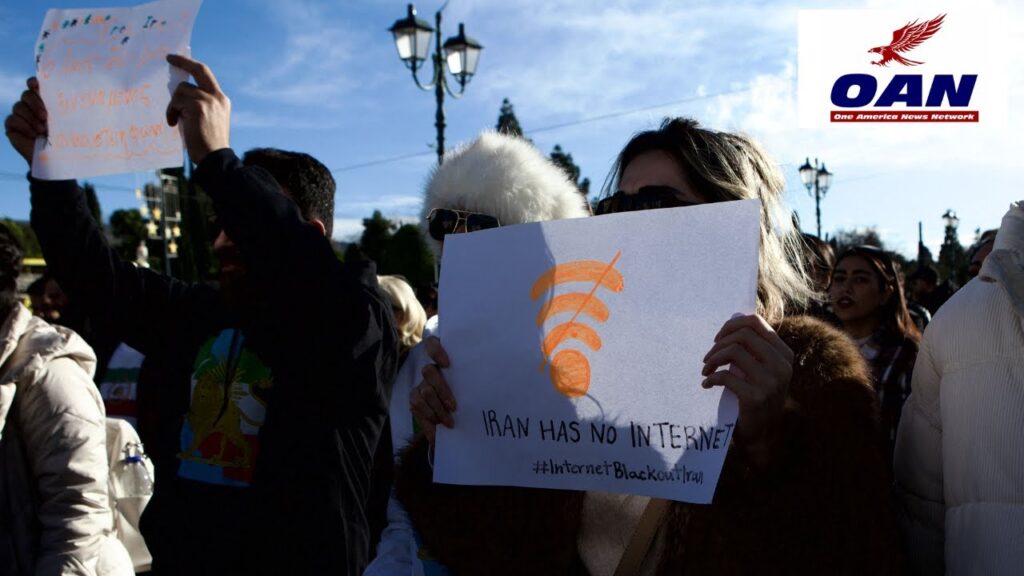

Snapshot of the Blackout
Scope and scale of the internet disruption across Iran
The blackout in Iran was very large. It affected most of the country, like a blanket pulled over the sky. For many people, phones and computers lost their ability to reach the wider internet. Only a few places had some signals, and most of the web was hard or impossible to reach from inside the country.
Reported connectivity metrics and timelines from network monitoring groups
Groups that watch internet health reported big drops. They measured traffic falling to around one percent of normal at some points. These groups watch how much data moves across networks and when it stops. Their charts showed sharp drops that began when officials said they would restrict service and slowly rose again where small fixes were allowed.
Immediate visible effects on communications, banking, transport and emergency services
When the internet goes away, many things stop working like usual. People could not send messages to friends far away. Some bank services that use the internet were harder to reach, making it difficult for people to pay for things or check money. Transportation apps and some emergency services had trouble sharing live information. In short, life that depended on online tools became harder for many people.
Geographic and demographic distribution of the blackout’s impact
The blackout did not hurt everyone the same way. Big cities often felt it strongly because they use lots of online services. Rural areas sometimes relied less on the internet, so their lives were affected differently. Young people and workers who depended on online study or jobs found it especially hard. People in need of medical care or living alone felt the silence more, because their ways to reach help were limited.
Conflicting reports and verification challenges during information blackouts
When networks go quiet, it becomes tricky to know what is true. Different sources said different things at first. Some reports came from people on the ground, others from outside groups that watch internet traffic. Because communication was limited, it was hard to check every claim. That leaves a lot of uncertainty until services come back and more evidence appears.
Timeline of Events
Origins and escalation of nationwide protests preceding the outage
The blackout came after protests that had been growing. People were upset about different problems in daily life, and they gathered in streets and squares. At first there were small protests, and then more people joined. As crowds grew and tensions rose, the situation became more fragile and the government took stronger steps.
Key dates when partial and then near-total shutdowns were reported
At first, the disruptions were partial: some social apps slowed, some websites were blocked. Then, on certain days, the internet fell nearly all the way to a stop across wide areas. Network monitors logged clear moments when telephone and internet traffic dropped sharply. Those drops matched the days when protests were highest.
Major incidents, protests and government statements tied to connectivity cuts
On days with big protests, authorities sometimes announced measures that affected communications. Officials said they took action for safety or to prevent harmful content. Around those times, demonstrations and clashes were reported in several cities. Media and witnesses described streets full of people and the internet much quieter than usual.
When and how Starlink access began to appear in Iranian networks
Soon after the darkest days of the blackout, small groups and helpers began to use Starlink, a satellite internet service. Starlink terminals started to appear in places where the ground networks were down. These terminals connected to satellites above the earth and gave people another way to send messages and share news.
Subsequent restorations, intermittent recoveries, and ongoing restrictions
After the most severe cuts, some internet services slowly came back in parts of the country. Restorations were uneven: some areas could reach a few websites, while others remained mostly offline. Authorities kept controls in place in many places, so connection remained fragile and limited for a long time.
Drivers of the Protests
Immediate triggers and underlying social grievances cited by protesters
Protests often begin with a single event that feels unfair or dangerous to many people. In this case, a specific incident sparked anger, but that spark was touching on deeper issues. People said they were hurt by injustices and wanted change. The immediate trigger made them gather and speak out.
Economic, political and human-rights factors contributing to unrest
People complained about money problems, job trouble, and rules that worried them. They also raised concerns about rights and justice. When everyday worries mix with a sense of unfair treatment, anger can build. Those reasons together made protests stronger and longer.
Organizing methods used by protesters in a high-surveillance environment
Because surveillance can be strong, protesters used many careful ways to organize. They used secret meetings, simple coded messages, and trusted friends. Some used apps when they could, and some relied on word of mouth. They tried to stay safe while still planning how to be heard.
Role of grievances related to governance, security forces and public services
Many people felt let down by public services and decision-makers. They pointed to problems with how things were run and how security forces behaved. These worries made the protests about more than one single issue — they were about how people wanted to be treated every day.
How shutdowns aimed to affect protest coordination and morale
When leaders cut internet access, it can make it harder for people to plan and share news. That can lower morale because people feel isolated. The goal of a shutdown may be to slow organizing and to control what people hear. At the same time, it can make people angrier and more determined.
Government Response and Rationale
Official justifications for imposing internet restrictions
Authorities gave reasons for the cuts, often saying they were needed for security or to stop harmful content. They framed the measures as ways to protect order and public safety. These explanations were shared to show that actions were not random but meant to control a difficult situation.
Mechanisms used by authorities to control domestic and international narratives
Alongside shutting networks, leaders also spoke to the public through official channels. They issued statements, shared their versions of events, and sometimes blamed outside forces. By managing information and access, authorities aimed to shape how people inside and outside the country understood events.
Security, legal and political measures taken alongside the communications blackout
The communications cuts were often paired with other steps: increased police presence, legal actions, and restrictions on movement. Officials could arrest people, close certain public places, or pass rules that gave them more power. All these measures worked together to limit protests and control unrest.
Domestic political implications for Iranian leadership and institutions
These events tested trust in leaders and institutions. Some people felt betrayed and demanded change, while others supported the actions as needed for safety. The situation created pressure on decision-makers and showed who had influence over public life and who did not.
Reactions from Iranian civil society and dissident groups
Civil society groups and those who oppose the government reacted in different ways. Some called for calm and negotiations. Others criticized the shutdowns and asked for international attention. Many worried about safety for citizens and tried to document events when they could.
How State-Level Internet Shutdowns Work
Technical methods used to sever or degrade internet access at scale
There are several ways to make the internet slow or stop. Authorities can tell internet companies to cut off links, block certain websites, or make the network so slow it is unusable. These methods can be partial or complete, and they can be done quickly when needed.
The roles of ISPs, state backbone providers and routing controls in shutdowns
Internet service providers (ISPs) are the companies that connect people to the internet. In many countries, the state controls major backbone networks that carry traffic between ISPs. When a government orders a shutdown, it often works through these backbone systems to stop traffic across the whole nation.
Differences between throttling, IP blocking, DNS manipulation and full cutoffs
Throttling means making connections very slow. IP blocking stops specific computers or services from being reached. DNS manipulation redirects website names to wrong places so they cannot be found. A full cutoff means the country is mostly disconnected from the global internet. Each method has different effects but the aim can be the same: reduce access.
Detection and measurement tools used by external observers and NGOs
Outside groups use tools to watch and measure internet health. They check how much traffic flows, test whether websites load, and use volunteers to run tests inside the country. These tools help show when a blackout is happening and how severe it is, even when local voices are quiet.
Limitations and collateral effects of national network shutdowns
Shutdowns affect more than politics. They harm hospitals that need data, businesses that trade online, students who learn remotely, and families who try to stay in touch. Even where safety is claimed as a reason, the collateral damage touches innocent people and can last a long time.
Starlink Technology and Capabilities
Overview of Starlink’s satellite constellation and ground infrastructure
Starlink is a system made of many small satellites that circle the earth. They are much closer to the ground than older satellites, which helps them send and receive data faster. On the ground, users have small dishes or terminals that talk to the satellites and give internet to homes or groups.
How Starlink provides connectivity independent of local terrestrial backbones
Because Starlink uses space to carry signals, it does not depend on cables and the local internet backbone. That means if the ground networks are cut, Starlink can still connect a terminal to the outside world by linking directly to satellites and then to other stations outside the country.
Typical bandwidth, latency and equipment requirements for users
Starlink offers speeds that are fast enough for video calls, web browsing, and messages. Latency — the time it takes for data to travel — is lower than older satellite systems, which helps make calls and games smoother. Users need a small dish, a modem, and power to run them.
Limitations of satellite internet in contested or jammed environments
Satellites help, but they are not perfect. Signals can be jammed or blocked, and weather can make service worse. Equipment needs power and a clear view of the sky. In places with active interference or legal restrictions, satellite links can be unreliable or dangerous to use.
Regulatory and licensing frameworks that govern satellite internet use
Countries have rules about who can use radio frequencies and which devices are allowed. Companies must follow export rules and get licenses in some places. When a satellite service is used in a country against local rules, it raises questions about legality and safety for users and providers.
How Iranians Used Starlink and Other Circumvention Tools
Reported use cases: from individual access to critical communications
People used Starlink to send news, call relatives abroad, and check on friends. Journalists and activists used it to upload videos and tell the world what was happening. In some cases, doctors or emergency responders used satellite links to get vital information through when local networks were down.
Alternative technologies employed: VPNs, mesh networks, satellite phones
Besides Starlink, people tried other ways to connect. VPNs hide the path of a connection but need some internet to start. Mesh networks let devices talk to each other directly, sharing messages until someone with internet can pass them on. Satellite phones use old-style satellites for calls, though they can be costly and limited.
Logistics: acquiring Starlink terminals, power sources and installation challenges
Getting a Starlink terminal in a place under tight controls is not simple. Terminals must be bought, moved, and powered. In areas with little electricity, people used batteries or generators. Setting up a dish also needs a clear spot with a view of the sky and cautious handling to avoid drawing unwanted attention.
Security practices and operational trade-offs for users under surveillance
People who used these tools had to think about safety. They might use secure messaging, avoid posting locations, or share equipment in small trusted groups. Using satellite internet can bring relief but also risk: visible hardware can be noticed, and communications might be traced if someone has powerful ways to watch them.
Community-driven approaches to sharing and maintaining connectivity
Neighbors, community centers, and volunteers sometimes pooled resources. They shared terminals, charged devices for each other, and taught how to use tools safely. These acts of cooperation helped more people stay connected and supported one another during hard times.
Elon Musk, President Trump and the Political Dimension
Summary of public reports that President Trump talked to Elon Musk about restoring internet
Some news reports said that former President Trump spoke with Elon Musk about restoring internet in Iran. These accounts suggested private conversations between a political leader and a tech CEO. The reports were widely discussed and added another layer to the story of how help might arrive.
How private communications between political leaders and tech CEOs can influence crises
When leaders and tech bosses speak privately, it can speed action because decisions move faster than through slow government channels. That can help people in emergencies, but it can also make things murky because the public does not always know what was promised or why.
Statements from SpaceX/Starlink and political actors, and media coverage analysis
Companies and political figures sometimes make short statements about such conversations. Media then analyze those statements, comparing them with what people on the ground say. The mix of corporate messaging and political talk creates many versions of the story, and readers must look carefully at what is confirmed and what is speculative.
Risks of politicizing private infrastructure during foreign civil unrest
When a private company’s tools become part of a political fight, several risks appear. The company may face pressure from many governments. Users might be put in danger if services are used in ways that local laws forbid. Private infrastructure becoming a political tool can make neutral helpers seem like actors in a conflict.
Transparency and accountability expectations for private providers engaged in conflict zones
Many people expect that companies will be clear about their actions when they operate in crises. They also expect safeguards to protect users. Transparency helps build trust, and accountability makes sure decisions consider human safety, law, and ethics.
Legal, Regulatory and Diplomatic Implications
International law considerations for cross-border provision of connectivity
Providing internet across borders raises questions in international law about sovereignty and the right to information. Some people argue that access to information is a basic need. Others stress that countries have the right to enforce their laws. Balancing these ideas is complex.
Export controls, sanctions and licensing issues affecting satellite services
Satellite equipment and technology often fall under export rules. Sanctions can limit what companies can send to a country. Licensing rules determine who can operate services there. These legal pieces can slow or stop help, even when people need it urgently.
Diplomatic fallout from external actors enabling communications inside a sovereign state
When outside actors help people inside another country, that can cause diplomatic tension. The country may see help as interference, while foreign actors may see it as protecting basic freedoms. Such actions can lead to disputes between governments and affect relations for a long time.
Potential legal exposure for companies and individuals aiding protesters
Companies and people who aid communications may face legal risks, like fines or bans. In some countries, helping people bypass controls is treated as a crime. Those who assist must weigh their desire to help against the legal risks they and their users could face.
Precedents and the evolving legal regime for satellite-enabled circumvention
This is a new area of law that is still developing. Past events show different outcomes: sometimes companies are lauded for helping, and sometimes they are punished or pressured. The rules will keep changing as technology and politics interact, and new precedents will shape future choices.
Conclusion
Synthesis of the blackout’s technical, humanitarian and geopolitical dimensions
The blackout mixed machines, people, and politics. Technically, networks were switched and traffic fell. Humanitarian pain showed in people who could not call a doctor or pay for food. Geopolitically, outside help and political messages made the story larger than the country itself. All these parts fit together and made the moment serious.
The dual role of satellite internet as lifeline and geopolitical flashpoint
Satellite internet acted like a rope thrown to people in trouble — a lifeline that let them talk and share. At the same time, that same rope became part of larger fights about power and law. Technology can save lives, but it can also become a spark in a political fire.
Urgency of clear rules, safeguards and cooperation to protect access to information
People and governments need clearer rules that protect life, privacy, and safety while respecting law. Safeguards should help people use tools without putting them in danger. Cooperation between companies, nations, and civil society can reduce harm and help people in real need.
Final reflections on lessons learned and the need for preparedness in future crises
The blackout showed how fragile modern life can be when networks fail. It also showed how people help one another in hard times. The lesson is to prepare better: build systems that protect information flow, make rules that protect users, and keep the human need for connection at the center of every choice.