Bill O’Reilly explains why he thinks New York is starting to go downhill just seven weeks after Mayor Zohran Mamdani took office. He also talks about a TV show called The View that the FCC is looking into, and about the arrest of former Prince Andrew. At the end, he and Sid Rosenberg chat about celebrity feuds in a way that is easy to follow.
The article will list the city problems Bill points to, what is known about the FCC inquiry, and simple facts about the arrest. It will finish with a calm talk about why people fight and how those fights can affect fans and friends.

Episode snapshot
Air date and platform details for No Spin News February 19, 2026
The episode aired on February 19, 2026. It was presented as a video segment on Bill O’Reilly’s No Spin News program and appeared on his official channels and social media pages. The show is typically distributed as a nightly video and as shorter clips for viewers who want parts of the program. He and his team asked viewers to subscribe or follow the No Spin News outlets to get the full program and the clips.
Primary topics covered in the episode
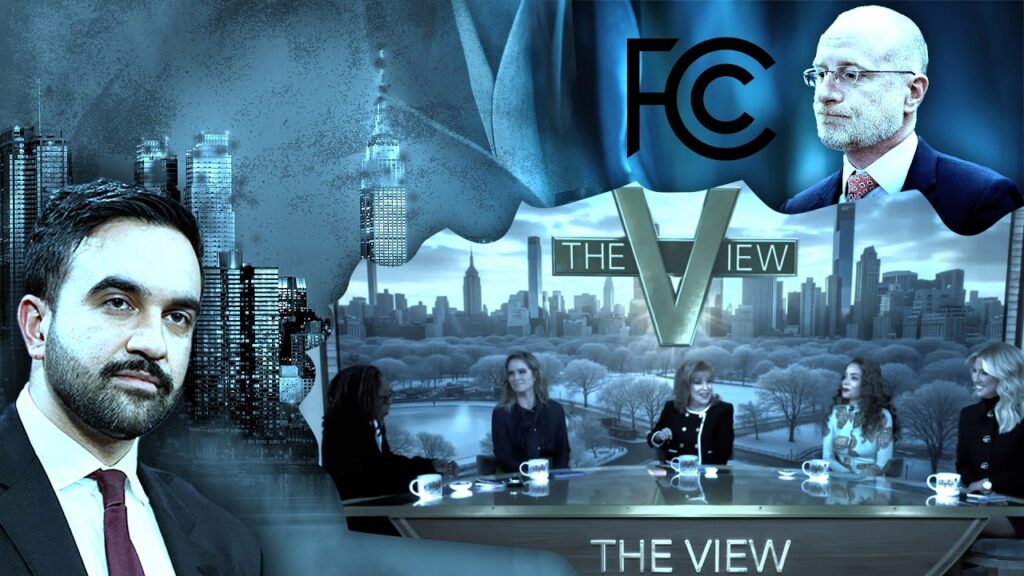
The program focused on three main stories. First, Bill argued that New York City was beginning to decline only seven weeks after Mayor Zohran Mamdani took office. Second, he discussed an announced Federal Communications Commission (FCC) investigation into the television show The View. Third, he summarized reporting about the arrest of former Prince Andrew. The episode ended with a light conversation with Sid Rosenberg about celebrity feuds and a short “Final Thought” reflection.
Format and running order including Bill O’Reilly’s monologues and guest segments
The episode followed a familiar format. It opened with Bill’s monologue, where he laid out the top stories and gave his central arguments. He moved from the New York City segment into the piece on The View and the FCC, then touched on the news about Prince Andrew. Midway through, there was a guest segment with Sid Rosenberg, which focused on celebrity conflicts and how fame changes people’s behavior. Bill returned for closing remarks and a Final Thought that tied the themes together. The show mixed on-camera commentary, short clips of news items, and a conversational interview.
Notable guests: Sid Rosenberg and any other contributors
Sid Rosenberg was the main guest on the episode. He joined Bill for a discussion about celebrity feuds and public behavior. Other contributors appeared in short roles, such as reporters or producers who introduced clips and provided context, but Sid was the primary interviewee who engaged directly with Bill for a longer segment.
Where viewers can watch full episodes and clips
Viewers were told the full episodes of No Spin News are available on Bill O’Reilly’s official video channels and pages. The program’s team also posts shorter clips for people who want highlights or specific moments. The show asked people to subscribe and follow the No Spin News accounts to receive new episodes and select clips.
Claims about New York’s rapid decline under Mayor Zohran Mamdani
Overview of Bill O’Reilly’s central assertion after seven weeks in office
Bill said, plainly, that the city was beginning to decline after just seven weeks of Mayor Zohran Mamdani’s administration. He framed this as fast and worrying change, suggesting that everyday life in parts of New York was getting harder. He presented the claim as urgent, asking viewers to pay attention to small signs that he said showed a larger pattern.
Specific examples and anecdotes cited on-air
On the show, Bill used snapshots and anecdotes to make his case. He talked about visible problems such as people camping in public places, reports of business owners worrying about safety, and stories of residents feeling less secure on subways and sidewalks. He also used short, vivid stories — a closed shop, a frustrated commuter, a park littered with tents — to help listeners picture what he described. These anecdotes were presented as examples that, according to Bill, fit a larger pattern of decline.
How decline is defined: public safety, services, business climate, quality of life
Bill defined decline in several ways that children can understand: people feeling less safe, city services not working as well, shops and restaurants closing or struggling, and public places looking run-down. He tied those things together to say the city’s overall quality of life was slipping. In his telling, public safety, basic services like transit and cleaning, and the mood of neighborhoods all mattered as signs of how well a city was doing.
Temporal framing: short-term shocks versus long-term trends
He treated the seven-week period as a short window that showed early problems. That is a short-term view. The show suggested these early signs could become long-term trends if not fixed. At the same time, other voices — like city officials and some experts — would remind viewers that seven weeks is a very brief time in the life of a large city, and that short-term shocks do not always become lasting declines. Bill’s argument leaned on the idea that early actions can set the tone, so quick changes mattered a lot.
Potential biases and perspective of the show’s audience
Bill’s program and its audience tend to share certain viewpoints: they value order, safety, and clear accountability from leaders. The show’s approach reflected those priorities. Children can think of it like this: if someone worries most when a room gets messy, they will point to the first messy things and say the whole room is ruined. That perspective helps explain why the show treated early problems as evidence of decline. It’s important to remember that every program has a point of view, and viewers may hear the same news differently depending on what they care about.
Public safety and crime trends discussed
Recent crime incidents and high-profile cases mentioned on the show
In discussing safety, Bill referenced recent stories that had drawn attention — for example, publicized robberies, assaults, or other violent incidents that local news had covered. He used these news items to underline his warning that people felt less safe. He also tied public concern about safety to the arrest of high-profile figures like former Prince Andrew as separate but contemporaneous headlines, showing how the news landscape was full of stories about crime and accountability.
Available crime statistics vs. anecdotal reporting
Bill leaned heavily on anecdotal reporting and selected incidents to make his point. Crime statistics, which are collected and published by police departments and city agencies, can tell a different story because they show trends over time. Those official numbers sometimes show rises or falls in particular crimes, but they do not always match how people feel when they hear short, alarming stories. The show’s focus on vivid stories can make problems feel bigger than they may appear in long-term data, so it is useful to compare both kinds of information to get a full picture.
Police staffing, policy changes, and enforcement priorities under the new administration
The episode suggested that decisions in City Hall affect how the police work and how many officers are available. Bill discussed ideas such as shifts in enforcement priorities, new rules about arrests or policing in certain neighborhoods, and how these might change day-to-day safety. Those topics are complicated. Changes in staffing and policy take time, and different leaders balance enforcement with concerns about civil rights and community trust. The show framed some of these changes as reducing the ability of police to respond, but officials and experts often note that policy shifts also try to prevent harms in other ways, such as outreach or different types of response.
Community responses and neighborhood-level perceptions
People living in different neighborhoods see the city in different ways. Some residents feel less safe and want more police presence. Others worry that tougher policing can harm communities and prefer more social services and prevention. Bill’s show highlighted voices that were alarmed, like business owners and commuters, while other voices — community organizers, social workers, or residents who favor different approaches — were mentioned less. Both kinds of experiences are part of how a city feels to people.
Contextual factors such as pandemic-era shifts, inflation, and national trends
It is important to remember that many things outside City Hall also shape public safety. The pandemic changed how people live and work, which affected city life in long ways. Inflation made supplies and services more expensive. National trends in crime and policing also play a role. Bill’s piece put the spotlight on the new mayor’s choices, but those larger forces are part of the background and can make problems worse or better regardless of a single administration.
Homelessness and visible quality-of-life issues
Examples of encampments, shelter strain, and downtown/park conditions cited by Bill O’Reilly
Bill described scenes that many viewers had seen on their own: street encampments in parks or near subway entrances, people sleeping in public places, and parks or sidewalks that felt crowded or less clean. He told stories about shelter systems under strain and business owners worried about customer safety and cleanliness. Those images are powerful and are often used to explain why people feel the city’s quality of life has changed.
City policy approaches: shelter capacity, outreach, housing initiatives
City governments typically try to respond with several tools: they expand shelter capacity, run outreach programs to connect people with services, and pursue housing initiatives that aim to move people into permanent homes. These programs work slowly and require money, staff, and cooperation among agencies. Bill argued that early moves by the new administration mattered to how quickly or well these programs would work, and he urged attention to whether the city was successful at housing people and keeping streets safe.
Role of state and federal funding and coordination
Solving homelessness is rarely a task for the city alone. State and federal funds help pay for housing vouchers, shelters, and support services. Coordination among city, state, and national programs is often needed to get stable housing for people. Bill’s coverage noted that money and cooperation from other levels of government influence how fast the city can act, and he suggested that blaming the mayor alone overlooks these shared responsibilities.
Impact on small businesses, tourism, and daily commuters
When public spaces feel less welcoming or safer to some, small shops and restaurants can lose customers, tourists may change travel plans, and commuters can feel anxious. Bill emphasized the ripple effect: one closed storefront can signal trouble to neighbors, and people changing their habits can shrink the economic life of a street. The episode used these examples to show how quality-of-life issues affect both feelings and finances.
Critiques and alternate explanations from advocates and service providers
Advocates and service providers often offer different explanations for visible homelessness and street conditions. They point to the lack of affordable housing, mental health care gaps, and long-term policy decisions that shaped the crisis. They also note that removing encampments without offering housing can make things worse. The show presented some of these alternative views but the focus remained on immediate, visible problems and on the idea that leadership needed to act faster.
Fiscal pressures and municipal services
Budgetary challenges referenced in the episode
Bill talked about how money — the city’s budget — affects what New York can do. He said the city faces hard choices about where to spend and where to cut. A big city budget has many demands: police, schools, parks, sanitation, transportation, and housing. The episode suggested that fiscal pressure could limit the administration’s ability to fix problems quickly.
Spending priorities and any proposed cuts or reallocations
The show discussed choices such as whether to spend more on police or on social services, whether to prioritize street cleaning or housing programs, and how to balance short-term fixes with long plans. Bill framed these as urgent choices for the mayor, and he questioned whether funds were being used in ways that would help people feel safer and improve daily life.
Revenue sources: tax policy, tourism, federal aid
New York’s money comes from taxes, businesses, and help from the state and federal government. Tours, visitors, and commuters also support city income. Bill noted that if tourism falls or businesses suffer, revenue falls too, which makes budget decisions harder. He reminded viewers that budgets are tied to how many people visit, how many businesses pay taxes, and whether higher levels of government provide aid.
Service delivery problems: sanitation, transit, public works
The show described issues like slower trash pickup, subway delays, and potholes as signs that city services were strained. These problems are often the kinds of things people notice every day, and they can make life feel harder even if the broader systems still work. Bill used these examples to show how city management affects ordinary routines.
Short-term vs. long-term fiscal management considerations
Some decisions fix a problem quickly but cost more later, while others take time and planning but last longer. The episode highlighted the trade-off: quick fixes may make things look better soon, but long plans can be more sustainable. Bill urged that the mayor choose wisely, and he warned of the danger of letting small problems become big ones.
Policy choices and political dynamics in City Hall
Early executive orders, legislation, or administrative moves by Mayor Mamdani
Bill pointed to early executive and policy moves by the new mayor as central to what he saw as the city’s direction. The show emphasized that initial actions can reveal priorities, like shifts in public safety or housing. It encouraged viewers to watch what the mayor announced and how those actions were implemented.
Relations with the City Council and intra-party disagreements
City Hall is not just the mayor; it is a team that includes the City Council and many other leaders. Bill noted that if the mayor and council members disagree, it can slow or complicate policy. He described intra-party disagreements as distractions that make it harder to pass or enforce necessary measures. Viewers were reminded that politics inside the same party can be as consequential as differences between parties.
Interactions with state government and federal officials
New York City often negotiates with state and federal officials over money and authority. The episode discussed how the mayor might need help from Albany or Washington to solve big problems. Bill said strong cooperation makes solutions easier, while tension can make them harder.
Union relationships and city workforce morale
City workers and unions are key to delivering services. The show mentioned that morale and relationships with unions affect how well sanitation crews, transit workers, and other city employees perform. Bill said maintaining good relations and a respected workforce was important for keeping the city functioning.
Political messaging, public outreach, and crisis communication
How a mayor communicates matters to people’s sense of safety and trust. Bill put weight on the idea that the new mayor’s messages and public outreach would either calm residents or alarm them. He argued that clear, honest communication can help, while mixed messages can make problems feel worse.
Public perception and media framing of New York’s situation
How different outlets (local, national, opinion shows) are reporting the city’s condition
Different media outlets tell different stories. Local reporters may focus on neighborhood details and official data, national opinion shows often highlight dramatic moments, and some programs frame stories to match their audience’s concerns. Bill’s show was one of many voices adding its own interpretation. The variety of reporting can make it hard for viewers to know which picture is most accurate.
Polling and anecdotal measures of resident satisfaction
Polls and surveys ask many residents whether they feel safe or satisfied with services. Anecdotes come from individual stories that are easy to remember. Bill used anecdotes to make a strong emotional case, while polls provide broader patterns that can confirm or complicate those impressions. Both matter, and the clearest understanding comes when people look at both the numbers and the stories.
Business and tourism sector reactions
Businesses and tourism officials watch how visitors behave and whether neighborhoods feel welcoming. The episode suggested that if the city looks less appealing, businesses might worry about fewer customers and tourists might change plans. Industry leaders sometimes respond by urging quick fixes and stronger safety measures.
Narrative framing: decline vs. transitional challenges
One way to tell the story is to say the city is in decline; another is to say it is facing transitional challenges. Bill framed the episode toward decline, using early signs and sharp anecdotes. Others framed the same signals as bumps on a longer path that the city could recover from with steady work. Both frames shape how people feel and what they ask leaders to do.
Risk of sensationalism and the responsibilities of opinion media
Opinion shows are meant to persuade, and they often use strong language to make a point. That makes them powerful but also risky: they can sensationalize a small moment into a big crisis. The episode’s style reminded viewers to check facts, look at official data, and consider multiple sources before drawing big conclusions. Opinion media has a responsibility to be clear about when it is offering an argument rather than a full impartial report.
The View FCC investigation background
Summary of The View as a program and recent controversies cited
The View is a daytime talk show with a panel of hosts who discuss news, politics, and entertainment. It has been involved in controversies before, sometimes because hosts say blunt or heated things on air. The episode reported that the FCC announced an investigation into the show, which drew renewed attention to its past controversies and how live television is monitored.
Origins of the FCC investigation as reported
Bill said that the investigation began after complaints were filed about comments on the program. He described it as a regulatory step that follows viewer concerns. The show presented this as a reminder that broadcast content can trigger official scrutiny when people feel rules were broken.
Allegations or complaints that prompted agency attention
The complaints cited on the episode centered on the content of remarks made on air that some viewers and groups said may have violated broadcast rules. Bill discussed the seriousness of someone filing complaints and how these complaints can lead to an agency review. He framed the matter as a test of how the FCC handles controversies involving well-known programs.
Timeline of public reporting and official notices so far
Bill outlined what had been publicly reported: first, the filing of complaints and then the FCC’s acknowledgment that it was looking into the matter. He explained that public reporting often follows a pattern of claim, agency review, and public updates, and that those steps can take weeks or months before an outcome is known.
How Bill O’Reilly covered the story on No Spin News
On the program, Bill used the FCC investigation to talk about media responsibility and accountability. He asked whether shows can say anything without consequences and whether regulatory agencies should step in. He framed the investigation as significant because it involves a popular, mainstream talk show and raises questions about standards on public airwaves.
How the FCC investigation process works
Initial complaint intake and referral procedures at the FCC
The FCC begins with receiving complaints from listeners, viewers, or groups. These complaints are logged and reviewed to see if they allege a possible violation of broadcast rules. If the complaint seems to raise an issue within the FCC’s jurisdiction, the agency may open a formal inquiry or refer the matter to its enforcement bureau.
Types of broadcast rules that can trigger investigations
The FCC enforces rules about indecency, obscenity, and profanity on broadcast television and radio, especially during hours when children might be watching. It also oversees rules about political advertising and sponsorship disclosures. Complaints that allege one of these rules was broken are the kinds that can prompt investigations.
Possible investigative steps: requests for information, hearings, enforcement actions
If the FCC opens an inquiry, it may ask the station or network for information, including transcripts, video, or explanations. The agency can hold hearings, request public comment, or interview people involved. Investigations can be procedural at first and become more formal if the agency believes a rule was likely violated.
Potential outcomes ranging from warnings to fines or license actions
Outcomes vary. The FCC may issue a warning or a demand for compliance, levy fines, or seek consent decrees that require changes in practices. In extreme and rare cases, the agency could take action affecting a broadcaster’s license. Often, the FCC resolves matters short of the most severe steps, but outcomes depend on the facts and the seriousness of any violation.
Relevant precedents and examples of prior FCC interventions
There are past cases where programs or stations faced fines or settlements for rule violations, especially around indecent material broadcast during times children might be watching. Those precedents are why broadcasters sometimes apologize or negotiate with the FCC rather than contest every claim. Bill referenced these kinds of past actions to show that FCC scrutiny can have real consequences for television shows.
Conclusion
Recap of the episode’s three major storylines and why they matter
The episode centered on three big stories: Bill’s warning about New York’s early signs of decline under Mayor Zohran Mamdani, the FCC investigation into The View, and reporting on the arrest of former Prince Andrew. Each story matters for different reasons. The New York discussion touches the daily lives of millions of people. The FCC inquiry raises questions about how public speech is governed on broadcast media. The arrest of a public figure ties into larger debates about accountability. Together they show how leadership, media, and justice intersect.
Immediate implications for New York policy, broadcast regulation, and celebrity accountability
If early signs in the city are real and persistent, they could push policy changes in safety, housing, and city services. The FCC investigation could influence how shows think about what they say on air and how networks train hosts. High-profile arrests remind the public that laws apply to famous people too, and they encourage conversation about how the justice system handles such cases.
Key items to monitor next: city data, FCC announcements, legal filings
People should watch official city data on crime, homelessness, and budget spending to see whether short-term signs become long-term trends. They should follow FCC announcements to learn how the investigation proceeds and check court filings or official statements about the arrest mentioned on the show. These documents provide the factual base to confirm or question what opinion programs say.
How consumers should approach opinion coverage and verify facts
Viewers should treat opinion programs as arguments rather than full news reports. It helps to check independent sources: official statistics, local reporting, and statements from city agencies or the FCC. Comparing the show’s claims with data and multiple news outlets gives a clearer picture. A helpful rule for children is to ask: “What is a story, and what is a choice?” — stories tell what happened; choices explain what someone thinks should be done.
Final note on the role of media commentary in shaping public debate
Media commentary plays a big role in shaping how people feel and what questions they ask leaders. It can highlight urgent problems and push for action, but it can also simplify complex issues. The episode demonstrated how a strong point of view can make a city’s early challenges feel immediate and dramatic. At the same time, careful listening, checking facts, and seeking different perspectives helps a community respond wisely and fairly.
Talking Points Memo: Just seven weeks into Mayor Zohran Mamdani’s (D-NYC) time in office, Bill breaks down how the city is already beginning to decline.
The View is under fire again after the FCC announces an investigation into the show.
What we know so far about the arrest of former Prince Andrew.
Final Thought: Bill’s conversation with Sid Rosenberg about celebrity feuds.
Subscribe to never miss an episode of No Spin News with Bill O’Reilly: / @billoreilly
Watch full episodes of No Spin News here: • Bill O’Reilly’s No Spin News
Watch clips of No Spin News here: • No Spin News | Clips
Bill O’Reilly’s official YouTube channel – No Spin. Subscribe for No Spin News each night, exclusive clips, and a one-of-a-kind brand of news analysis each night.
Become an O’Reilly Premium Member:
Buy Bill’s New Book Available Now:
Visit Bill’s Website:
Follow Bill on Twitter: / billoreilly
Follow No Spin News on Twitter: / nospinnews
Like Bill on Facebook: / billoreillyofficial
Today’s episode is brought to you in part by the following:
Home Title Lock: Go to and use promo code BILL to get a FREE title history report and a FREE TRIAL of their Triple Lock Protection! For details visit
American Hartford Gold: Protect your wealth with precious metals! Call American Hartford Gold today \u0026 get up to $15,000 in free silver on your 1st order! Call (866) 501-5201 or Text BILL to 65532, or Click the link below:
American Financing: Call American Financing today to find out how customers are saving an avg of $800/mo. NMLS 182334, APR for rates in the 5s start at 6.196% for well qualified borrowers. Call 888-462-9557 or visit for details about credit costs and term