Sid Rosenberg Trump: Why He Became the Ultimate Trump Guy — Summary & Key Takeaways
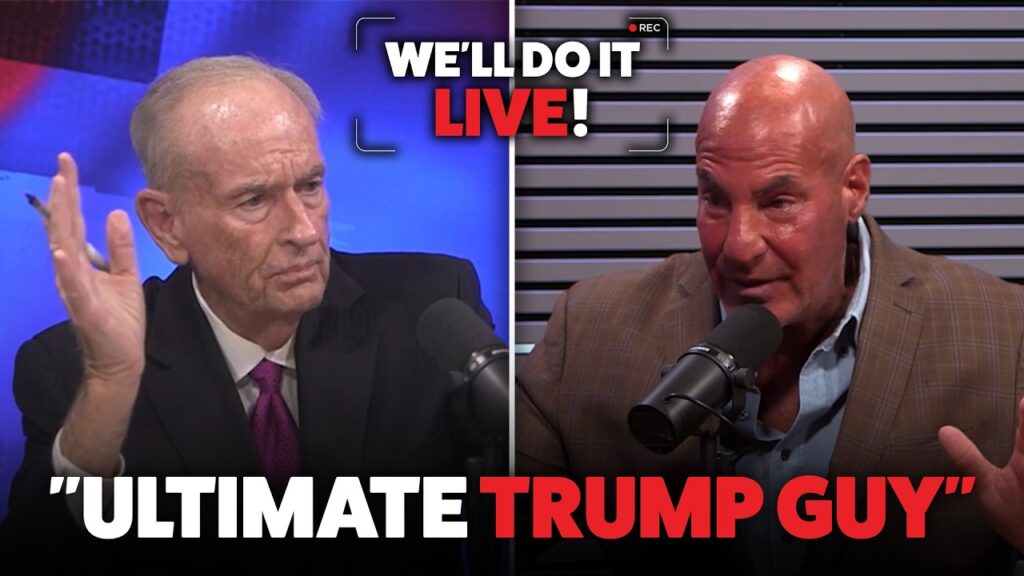
Sid Rosenberg Trump is the heart of this story, and the reason the Bill O’Reilly interview lands so hard is simple: it isn’t only about politics. It is about loyalty, memory, and media economics at the same time. In the original video, Sid Rosenberg on Becoming the “Ultimate Trump Guy”, the creator explains that Rosenberg’s shift grew out of a personal relationship, a sobriety narrative, and then a larger broadcast identity that fit conservative news audiences almost perfectly.
Three moments matter most. At 00:30, Rosenberg ties Trump’s affection to his sobriety. At 02:00, he admits he voted for Hillary Clinton before switching. At 03:10, the interview makes clear that this is also a story about public rebranding. According to Bill O’Reilly’s interview, Rosenberg did not simply wake up as a political archetype. He became one.
- Personal story first: Rosenberg says Trump respected his sobriety and remembered him from earlier years.
- Political conversion second: He admits initial skepticism, then says he became an enthusiastic supporter after seeing Trump govern.
- Media lesson third: In 2026, personality-led political commentary often grows faster than old neutral-host formats.
Readers who create content can copy three things right away:
- Lead with a true personal anchor that explains why the audience should trust the host.
- Turn one interview into many assets: a full segment, three short clips, one live stream follow-up.
- Build owned community channels so a platform shift does not erase the audience overnight.
Legacy broadcasters face the mirror image of that advice. They need clearer voice, better clip strategy, and faster audience feedback loops if they want to keep attention in 2026.

Why Sid Rosenberg’s Turn Matters — Thesis and Context
The video’s central claim arrives almost at once: Rosenberg’s journey from skeptic to champion is personal, but it also reveals how political commentary works now. As demonstrated in the video from 00:05 to 03:30, he does not describe a policy white paper or an ideological awakening in abstract terms. He describes encounters, memory, gratitude, and then a quick political reassessment. That sequence matters because audiences trust stories before they trust arguments.
According to Bill O’Reilly’s interview, Trump praised Rosenberg for staying sober and remembered him from periods when Rosenberg was struggling. At roughly 00:40, Rosenberg frames that memory as meaningful proof of character. It is a small detail, but it changes the emotional texture of the exchange. Suddenly, this is not just another broadcaster picking a side. It is a host telling viewers why loyalty became real to him.
That pattern mirrors the media environment in 2026. Political identity now moves through personal brands as much as institutions. Viewers follow hosts, not only networks. Pew Research has repeatedly shown that Americans increasingly consume political news through digital platforms, podcasts, and personality-led video. Nielsen trend reports have also shown that cable news retains older loyal audiences, but clips and streaming increasingly shape discovery. At the same time, industry reporting from streaming and OTT trackers has shown strong growth in niche political video products between and 2025, especially for opinion-led programming.
For readers, the practical move is simple:
- Watch the original clip from 00:00 to 03:30.
- Write down each personal anecdote before each political conclusion.
- Compare that pattern with creators such as Benny Johnson and hosts at BlazeTV.
The point is not agreement. The point is structure. Why does a viewer stay? Usually because the host makes politics feel like a relationship story.
Sid Rosenberg Trump — Personal Narrative, Credibility, and Political Viewpoints
The strongest part of the interview is also the simplest. Rosenberg remembers meeting Trump around HBO radio row at major Mike Tyson fights in Las Vegas, Dallas, and Los Angeles. The setting is vivid. There are fights, hotel corridors, sports radio energy, the kind of backstage world where public figures become human for a minute. As the creator explains, this gives Rosenberg a credibility claim that sounds lived-in rather than manufactured.
The key quote comes around 00:35: “He’s never had a drink… He loved his brother and his brother died from alcoholism…” Rosenberg presents Trump’s regard for sobriety as central to their connection. The creator explains this as one reason Trump developed an affection for him. It is not policy language. It is moral language. And that is often more powerful in political commentary.
This is why personal narratives work so well on camera. Viewers tend to read them as authenticity signals. A host who says, this happened to me, and here is what changed, creates a bridge that statistics alone cannot. That same method appears across conservative media. Benny Johnson uses quick, confident anecdote and emotional framing. Personalities on One America News Network, Sky News Australia, Next News Network, and BlazeTV often turn commentary into story-first persuasion. A host is not merely delivering current events. He is saying, in effect, you know me, so trust my reading of the world.
For podcast and radio hosts, there is a practical lesson here:
- Open with a short, verifiable anchor story. Keep it under seconds.
- Repeat the anchor across formats. Use the same story in long-form, clips, email, and guest appearances.
- Document it. Save photos, old audio, screenshots, and dates so critics cannot dismiss it as invention.
That is how political viewpoints start to feel stable. Not because they are purely analytical, but because they seem rooted in an identifiable life.
Media Analysis: Broadcast Journalism, Cable News, and Conservative Platforms
The interview also works as a map of the media ecosystem. Bill O’Reilly represents legacy cable habits adapted for digital life. Sid Rosenberg comes from radio, where personality and repetition matter. Around them sits a larger conservative news network of outlets and creators: One America News Network (OANN), Sky News Australia, Next News Network, BlazeTV, and a wide orbit of YouTube-first commentators. The video shows O’Reilly framing Rosenberg’s move as part of a broader migration in conservative media, especially around 01:50, where the conversation shifts from private relationship to public identity.
This migration is strategic. Cable news still matters, but broadcast journalism no longer controls discovery. Viewers now encounter political commentary through clips on YouTube, X, Facebook, podcasts, and short video feeds. Nielsen reporting across recent election cycles has shown that prime-time opinion blocks remain strong with older demographics, yet social media platforms often drive the biggest spikes in exposure. OANN, for example, has seen attention swings tied closely to election periods and headline cycles. Sky News Australia has expanded its global visibility through YouTube distribution, especially among U.S. viewers looking for conservative commentary from outside domestic networks.
The larger risk, of course, is media bias. Pew’s ongoing work on news consumption has shown that many Americans gravitate toward outlets aligned with their political preferences. That can increase loyalty. It can also narrow the range of information people accept. The video quietly exposes this tension: Rosenberg says he came to love the guy, and once a host says that plainly, journalistic distance changes.
Journalists and hosts can respond with a better process:
- Audit brand versus ethics. Decide whether the product is reporting, opinion, or advocacy.
- Choose the right platform. Radio builds habit, cable builds legitimacy, streaming builds niche scale, social builds reach.
- Show the sourcing. Put transcripts, citations, and clips in descriptions or newsletters.
That does not erase bias claims. But it gives audiences something firmer than vibes.
Video Content Strategy: Formats, Live Streaming, and Audience Engagement
The interview is short, but it points toward a much bigger content strategy. At the beginning, the creator demonstrates the power of live-feeling exchange: the pace is quick, the emotional beats are clear, and the quote moments come naturally. From 00:05 to 01:00, viewers get exactly the kind of material that can be repackaged into several video formats. That matters because political commentary now lives in layers, not in one finished broadcast.
Three formats do most of the work:
- Short clips (30–90 seconds): Best for a single quote, surprise admission, or emotional line. Rosenberg saying he voted for Hillary is perfect clip material.
- Mid-form interviews (8–20 minutes): Best for monetization, context, and searchable YouTube uploads. This is where hosts explain rather than merely provoke.
- Live streams (60+ minutes): Best for community building, super chats, direct audience engagement, and recurring habit.
YouTube creator guidance has long pointed to retention and satisfaction as central performance signals, and many creators report that live streams produce stronger session time even when they attract fewer total views than short clips. In practical terms, short clips spread; long-form builds trust; live streaming builds belonging. Add live chat or polling, and audience engagement often rises because viewers feel seen in real time.
A workable weekly system looks like this:
- Record one 10- to 12-minute interview.
- Cut it into three shareable clips: one emotional, one analytical, one conflict-driven.
- Host a 60-minute live stream to react to comments and current events.
- Cross-post highlights to TikTok, X, and Facebook with a link back to YouTube.
For examples and guidance, readers can compare the original Bill O’Reilly clip with resources at YouTube Creator Academy. The lesson is not just to publish. It is to publish in a sequence.
Sid Rosenberg Trump — Monetization, Ad Revenue, and Community Building
The interview hints at something many broadcasters understand but rarely say too plainly: a visible political pivot can have business consequences. Between 02:50 and 03:20, the logic is just below the surface. A host who becomes legible to a partisan audience often becomes easier to market, easier to book, and easier to monetize. The Sid Rosenberg Trump shift therefore matters not only as commentary, but as a case study in audience economics.
For political media brands, the usual revenue stack has three pillars:
- Advertising: YouTube ads, podcast ads, host-read sponsorships, and streaming inventory.
- Direct support: memberships, paid subscriptions, Patreon-style tiers, premium RSS feeds.
- Events and commerce: live tapings, VIP meet-and-greets, merch, books, and branded appearances.
Industry reports from groups such as IAB and major digital ad trackers have shown steady growth in podcast and online video ad spending through the mid-2020s. Political and current events content can attract strong CPMs during election periods, though rates vary heavily by advertiser sensitivity, watch time, and brand safety rules. A creator like Benny Johnson or a BlazeTV host often combines ads with direct subscriptions and event-style monetization, which reduces dependence on any one platform.
Creators who want to replicate this model should build revenue slowly and visibly:
- Create three revenue pillars before hiring a larger team.
- Test membership pricing at two tiers, then track conversion after days.
- Use community spaces like Discord or Telegram to move casual viewers into paying members.
Community building matters here more than many hosts realize. People do not pay only for access. They pay for identity, for proximity, for the feeling that they are part of a camp. According to Bill O’Reilly’s interview, Rosenberg’s rebranding is partly personal and partly strategic. That is exactly why it monetizes well: audiences can sense both conviction and utility at once.
Algorithms, Platform Politics, and Cross-Platform Promotion
Algorithms reward different things at different times, and political creators ignore that at their peril. The video contains several clip-ready moments, especially from 00:30 to 01:00, where Rosenberg recounts Trump praising his sobriety. Those lines are sticky. They travel well as shorts, quotes, and reposts. But short-form reach and long-form loyalty are not the same thing. One gets attention. The other gets commitment.
That is the basic rule of platform politics. A two-minute clip on X or YouTube Shorts can pull in new viewers fast. A full interview on YouTube or an owned audio feed turns those viewers into repeat users. Recent platform guidance and creator reporting have also made another point clear: political content can face stricter review, lower advertiser demand, or inconsistent recommendation patterns depending on topic, claims, and news cycle intensity. That means creators need redundancy. Never trust one algorithm to carry the whole business.
A stronger cross-platform plan looks like this:
- Within minutes of broadcast, publish a two-minute clip on X.
- Upload the full interview to YouTube and pin it in comments, channel community posts, and the newsletter.
- Send traffic to owned channels such as email lists, SMS, or premium feeds.
- Run small paid promos to lookalike audiences when a clip outperforms baseline CTR.
Creators can also use channel ecosystems to broaden reach. A Rosenberg-style interview may live naturally on Bill O’Reilly’s YouTube page, then circulate through fan pages, Facebook groups, radio clips, podcast snippets, and partner outlets that resemble OANN or BlazeTV in tone and audience fit. External resources at YouTube Creator Academy and Pew Research help clarify how social media news consumption keeps shifting. The broad lesson is almost old-fashioned: distribute everywhere, but own something yourself.
Audience Growth, User-Generated Content, and Case Studies
One place competitor articles often stop too soon is audience growth. They describe a personality shift, then leave the numbers blurry. But growth usually comes from repeatable systems, not charisma alone. The creator explains, especially between 02:10 and 02:40, that audience reaction helped shape Rosenberg’s public identity. Once listeners began seeing him as a converted insider, that label hardened. In media, names become brands when the crowd starts repeating them back.
Consider two useful case-study patterns. First, a radio host who moves to conservative streaming can plausibly double monthly viewers within a year if the show adds a YouTube upload schedule, daily clips, and one weekly live stream. Second, a YouTube commentator in the Benny Johnson mold can grow quickly by making short reaction clips easy for fans to remix and repost. Public channel histories across political commentary often show a familiar pattern: spikes after headline moments, steadier gains after clipping systems improve, and stronger paid conversion once community perks appear.
User-generated content pushes that process further. When viewers cut reaction clips, stitch commentary, or post quote cards, they become unpaid distribution partners. To make that useful rather than chaotic, creators need a workflow:
- Collect audience clips per month.
- Review for accuracy, rights, and tone.
- Feature the top three in a weekly segment.
- Reward contributors with shoutouts, merch discounts, or member access.
This approach matters for community building because it changes the audience from spectators into participants. And once that happens, public opinion around a host can harden fast. A person is no longer merely on air. He is being continually narrated by his own followers.
Media Ethics, Bias, and Public Opinion
There is a harder edge to all of this, and the video does not hide it. Around 01:50 to 02:10, the tension becomes plain: Rosenberg is no longer speaking with journalistic distance. He speaks as someone who loves the subject. That can produce honest commentary. It can also narrow the space for skepticism. The same issue appears across partisan outlets, whether the style is OANN, Sky News Australia, Next News Network, or BlazeTV. The question is not whether bias exists. The question is how openly it is handled.
As demonstrated in the video, Rosenberg’s candid admission that he voted for Hillary Clinton before changing sides is actually one of the interview’s strongest trust signals. Transparency can strengthen credibility even when the final position is deeply partisan. Viewers may disagree, but they can still track the path. That is better than a host pretending he was always right.
For on-air talent, an ethics checklist should be routine:
- Disclose relationships with political figures and campaigns.
- Fact-check major claims live or in a visible follow-up.
- Keep a source archive for contested statements.
- Separate reporting from opinion in titles, thumbnails, and intros.
Audiences need a checklist too. Compare multiple outlets. Look for sourcing, not only emotion. Watch for repeated claims with no evidence attached. Public opinion is shaped not merely by information, but by repetition and trust cues. That is why media bias feels so slippery: often it is less about one false statement than about a whole pattern of emphasis. The creator explains Rosenberg’s story in a way that makes this visible. The personal bond is real. So is the editorial consequence.
Sid Rosenberg Trump — Practical Playbook for Creators and Broadcasters
The most useful way to read this interview is not simply as biography. It is as a playbook. According to Bill O’Reilly’s interview, Rosenberg’s evolution was partly personal and partly strategic, and that blend is what modern creators need to understand. Not every host should become more partisan. But every host should learn from the mechanics: clear identity, repeatable formats, strong distribution, and transparent positioning.
Here is a 10-point operating plan for broadcasters, podcasters, and political commentary creators:
- Define the host identity in one sentence.
- Build one anchor story that explains why the host’s viewpoint matters.
- Publish one mid-form interview weekly at to minutes.
- Cut three short clips for discovery across social media platforms.
- Run one live stream each week for audience engagement and community building.
- Track retention and CTR before changing thumbnails or titles.
- Add memberships only after repeat viewing is stable.
- Use an email list as the owned hub for traffic.
- Write clear sourcing notes for controversial claims.
- Review monthly revenue mix across ads, memberships, and events.
Reasonable benchmarks are straightforward: aim for clip CTR above channel average, seek live-stream retention that improves month over month, and target small but steady conversion from free audience to paid members before scaling production costs. For a three-month rollout, creators can follow this rhythm:
- Weeks 1–4: Repackage archive clips and test titles.
- Weeks 5–8: Launch the weekly live show and gather audience questions.
- Weeks 9–12: Open a membership beta and support it with cross-platform ads.
Resources worth using include the original video, the Bill O’Reilly channel, YouTube Creator Academy, and industry reporting from IAB. The lesson from the Sid Rosenberg Trump story is not only that rebranding can work. It is that audiences reward a host who seems to know exactly who he is.
Frequently Asked Questions
The questions below address the points readers most often search after watching the interview and comparing it with the wider conservative news ecosystem in 2026.
What is going on with Bill O'Reilly?
Bill O’Reilly is still active as a conservative broadcaster, but his center of gravity is now digital distribution rather than old cable dominance. In this interview, around 01:40, the creator positions Rosenberg’s story inside a wider media shift, which is exactly what O’Reilly’s current platform does well: use his legacy reputation to frame newer digital-era commentary.
Who is Benny Johnson on YouTube?
Benny Johnson is a conservative digital commentator known for fast political clips, meme-aware packaging, and strong social distribution. He matters in this article because his format shows how modern political commentary turns short video, repetition, and personality into audience growth, something the Sid Rosenberg Trump story helps explain from an older broadcast angle.
What is the minute rule on YouTube?
The 8-minute rule refers to the long-running threshold that allows mid-roll ads on eligible YouTube uploads. For creators, the practical choice is simple: publish videos longer than eight minutes when context and ad revenue matter, but keep some clips shorter when discovery and shareability are the goal.
What is going on with YouTube right now?
YouTube is leaning hard into a mixed ecosystem: Shorts for reach, long-form for watch time, and memberships plus live features for monetization. As the video demonstrates from 00:05 to 01:10, creators who can turn one interview into many assets are better positioned than those who rely on a single upload and hope the algorithm is kind.
Sources, Further Reading, and Final Take
The primary source for this article is Bill O’Reilly’s interview, Sid Rosenberg on Becoming the “Ultimate Trump Guy”. The creator explains Rosenberg’s turn through personal memory, audience reaction, and political enthusiasm, and those details are the spine of the analysis here. Readers who want the broader context can also review the Bill O’Reilly channel, Pew Research for news-consumption trends, YouTube Creator Academy for platform strategy, and IAB for digital ad and monetization reporting.
The larger takeaway is clear. Sid Rosenberg did not become the “ultimate Trump guy” only because his politics changed. He became that figure because the change was narratable. It had a backstory, a quote, a confession, a relationship, and then a media ecosystem ready to amplify it. As demonstrated in the video, that combination is what turns commentary into identity. For creators and broadcasters, the next step is not imitation of ideology. It is imitation of discipline: tell the truth of the pivot, package it well, distribute it widely, and show your work.
- Primary video: https://www.youtube.com/watch?v=0vUtXVQpR3U
- Channel: https://www.youtube.com/@BillOReilly
- Related channel: https://www.youtube.com/@bennyjohnson/videos
- OANN: https://www.youtube.com/@oann/videos
- Sky News Australia: https://www.youtube.com/@SkyNewsAustralia/videos
- Next News Network: https://www.youtube.com/@NextNewsNetwork/videos
- BlazeTV: https://www.youtube.com/@BlazeTV/videos
Frequently Asked Questions
What is going on with Bill O'Reilly?
Bill O’Reilly remains a prominent conservative commentator in 2026, mostly through digital distribution rather than traditional cable. On his YouTube channel, he continues publishing interviews and commentary, and in this clip at about 01:40, the creator frames Sid Rosenberg’s story as part of a wider media shift toward personality-driven political coverage.
Who is Benny Johnson on YouTube?
Benny Johnson is a digital political commentator known for fast, viral short-form clips and culture-war framing on YouTube and other social media platforms. He matters here because his style shows how conservative news personalities turn identity, repetition, and clip strategy into audience growth, a useful comparison to the Sid Rosenberg Trump shift. Readers can compare formats on his channel.
What is the minute rule on YouTube?
The ‘8 minute rule’ on YouTube refers to the threshold that historically allowed creators to place mid-roll ads in videos that are eight minutes or longer. For political commentary, that means a 9- to 12-minute upload can support better ad revenue, while shorter clips often work better for discovery and sharing. YouTube’s current monetization details are listed on its help and creator pages.
What is going on with YouTube right now?
YouTube right now is balancing several pressures at once: stronger policy enforcement, heavier competition between Shorts and long-form, and more emphasis on creator retention and monetization tools. As demonstrated in the video from 00:05 to 01:10, long interviews now work best when creators cut them into smaller assets for Shorts, X, Facebook, and newsletters, then pull viewers back to the full episode.
Was Sid Rosenberg always pro-Trump?
No. In the interview, Rosenberg openly says he did not start as an automatic Trump loyalist. Around 02:00, he admits he voted for Hillary Clinton before changing his view after Trump’s early presidency, which makes the Sid Rosenberg Trump story more persuasive because the shift is presented as a conversion rather than a fixed identity.
Key Takeaways
- Sid Rosenberg’s move toward outspoken Trump support is presented in the video as a personal conversion story rooted in memory, sobriety, and gratitude, not just ideology.
- The interview doubles as media analysis: personality-led political commentary now grows through clips, live streams, social distribution, and audience identity more than legacy broadcast structure alone.
- Creators can learn from the format by combining one anchor story, one weekly mid-form interview, three short clips, and one live stream into a repeatable growth system.
- Monetization works best when creators build three pillars at once: ads, direct memberships, and community-driven events or products.
- The ethical lesson matters too: disclose relationships, separate opinion from reporting, and maintain visible sourcing when commentary becomes openly partisan.